




Key Takeaways
- • Flexible work has become a long-term business strategy across Asia.
- • Companies are redesigning offices to support collaboration rather than fixed desks.
- • Hybrid work continues to drive demand for modern workspace solutions.
- • Businesses increasingly prioritise flexibility, employee experience, and scalability.
- • The future workplace will focus on people, technology, and adaptability.
The workplace has changed more in the past five years than it did in the previous two decades.
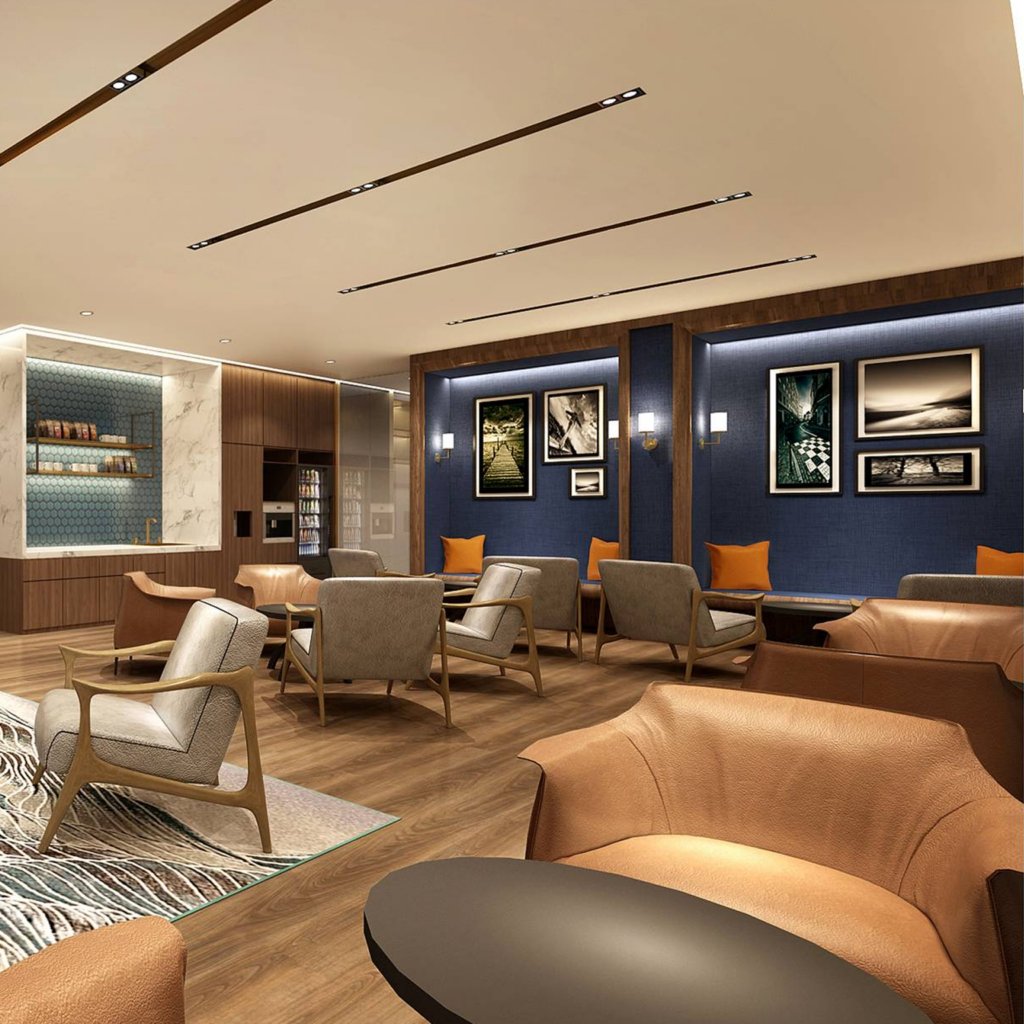
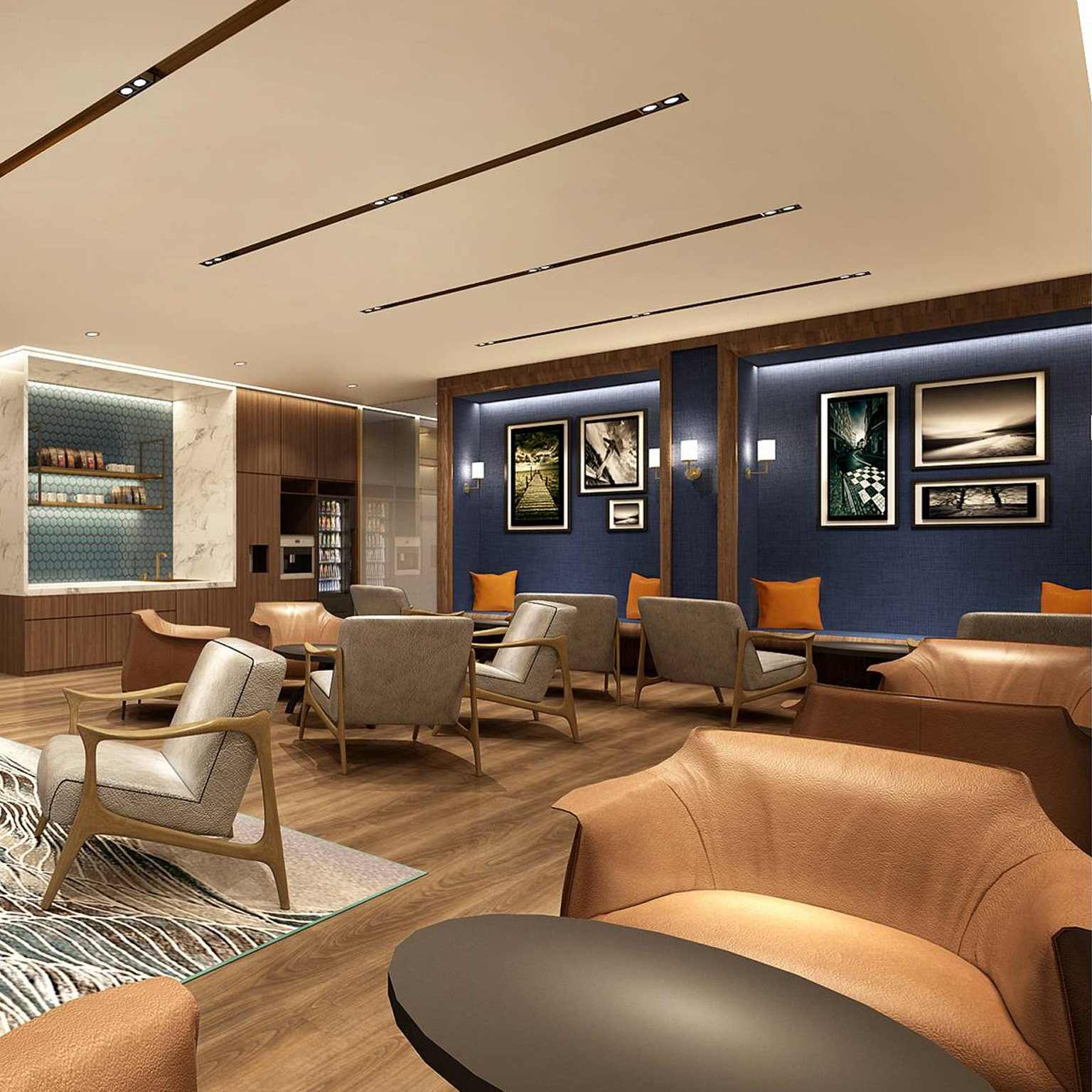
Across Asia, businesses are rethinking what an office should be. Instead of viewing it as a place employees are required to attend every day, organisations are transforming offices into collaborative environments that bring people together with purpose.
This shift is accelerating the demand for flexible workspace Asia businesses can rely on as work continues to evolve.
For startups, SMEs, multinational companies, and remote teams alike, flexibility is no longer considered a workplace benefit. It has become an essential part of business strategy.
The Office Is Being Redefined
Traditional offices were designed around permanence.
Employees had assigned desks.
Companies leased more space than they often needed.
Growth usually meant relocating.
Today’s businesses operate differently.
The modern office has become a place for:
- • Collaboration
- • Innovation
- • Client meetings
- • Team building
- • Creative thinking
Focused individual work can happen almost anywhere. The office has evolved into a destination that strengthens culture and connection.
Hybrid Work Is Becoming the Standard
Businesses across Asia continue to embrace hybrid workspace models because they provide the best balance between flexibility and collaboration.
Employees appreciate greater autonomy while employers benefit from:
- • Better talent attraction
- • Higher employee satisfaction
- • Improved productivity
- • More efficient office utilisation
- • Lower operational costs
Rather than measuring success by attendance, organisations are measuring outcomes.
This shift is influencing how offices are designed and managed.
Technology Is Changing Workplace Expectations
Modern businesses expect more from their offices.
Technology now plays an important role in creating seamless workplace experiences.
Employees expect:
- • Fast Wi-Fi
- • Smart meeting rooms
- • Mobile booking systems
- • Video conferencing facilities
- • Digital access control
These technologies support collaboration regardless of where employees are working.
Businesses looking for modern workspace solutions increasingly prioritise technology alongside office design.
Flexibility Supports Business Growth
No two businesses grow at the same pace.
Some double their team within a year.
Others expand into new cities or countries.
Traditional office leases often struggle to accommodate these changes.
This is why companies continue adopting flexible workspace solutions that can adapt alongside business growth.
Flexible workspaces allow businesses to increase or reduce office space without disrupting operations.
Employee Experience Is Driving Workplace Decisions
The competition for talent continues to increase.
Professionals now consider workplace quality alongside salary and career opportunities.
Employees want offices that offer:
- • Comfortable workspaces
- • Natural light
- • Collaborative areas
- • Quiet focus zones
- • Professional amenities
Businesses investing in workplace experience often see improvements in engagement, collaboration, and retention.
The office has become an important part of the employee value proposition.
Coworking Continues to Evolve
Coworking is no longer limited to freelancers. Today, established companies, project teams, consultants, and international businesses all use flexible workspaces.
The rise of coworking for remote teams reflects how businesses are embracing flexibility while maintaining opportunities for in-person collaboration.
Rather than committing to large offices that may sit partially empty, organisations can provide employees with professional spaces whenever collaboration is needed.
Asia Is Leading Workplace Innovation
Asia’s major business hubs continue to embrace workplace innovation.
Cities such as Hong Kong, Singapore, Seoul, Bangkok, and Kuala Lumpur are seeing growing demand for premium flexible workspaces that combine technology, hospitality, and professional business support.
Businesses entering these markets increasingly seek workspace providers that can deliver flexibility while maintaining premium standards.
The future workplace is no longer defined by location alone. It is defined by experience.
Why Work Wise?
Work Wise was created for the next generation of businesses.
We combine premium workspace design, hospitality-led service, smart technology, and flexible memberships to support startups, SMEs, remote professionals, and growing organisations.
As the future of work continues to evolve, Work Wise provides businesses with modern workplaces designed for productivity, collaboration, and long-term success.
Workplace Trends: Then vs Now
| Workplace Trend | Traditional Office | Future Flexible Workspace |
| Work Style | Office-Based | Hybrid |
| Office Design | Fixed Desks | Flexible Work Zones |
| Team Collaboration | Scheduled | On Demand |
| Office Growth | Relocation Required | Easily Scalable |
| Technology | Basic Infrastructure | Smart Workplace Tools |
| Employee Experience | Functional | People-Centred |
Trends Shaping the Future of Work
| Trend | Business Impact |
| Hybrid Working | Greater flexibility for teams |
| Flexible Offices | Easier business growth |
| Smart Technology | Improved collaboration |
| Hospitality-Led Design | Better employee experience |
| Coworking Growth | Increased networking opportunities |
| Agile Business Models | Faster response to change |
Frequently Asked Questions
What does the future of flexible work look like in Asia?
Businesses across Asia are adopting hybrid working, flexible office solutions, and technology-enabled workspaces that prioritise collaboration and employee experience.
Why are flexible workspaces growing in popularity?
Flexible workspaces provide businesses with greater agility, lower operational costs, and the ability to scale without long-term office commitments.
How does hybrid work affect office design?
Hybrid work encourages offices to focus more on collaboration, meeting spaces, and employee experience rather than assigned desks.
Are flexible workspaces suitable for established businesses?
Yes. Many large organisations use flexible workspaces for project teams, regional offices, and hybrid work strategies.
Why are coworking spaces becoming more popular?
Coworking spaces provide flexibility, networking opportunities, professional facilities, and cost-effective workspace solutions for businesses of all sizes.
Why choose Work Wise?
Work Wise combines modern workspace solutions, premium hospitality, smart technology, and flexible memberships to support the future of work in Hong Kong.
Related Articles
- • Pillar: Flexible Workspace Solutions
- • Why Hybrid Teams Need Flexible Offices
- • Best Flexible Workspaces in Hong Kong
- • Coworking vs Traditional Offices
- • Office Space Tips for Startups
- • How SMEs Can Scale With Flexible Offices
- • Why Hospitality-Led Workspaces Matter